baby diapers

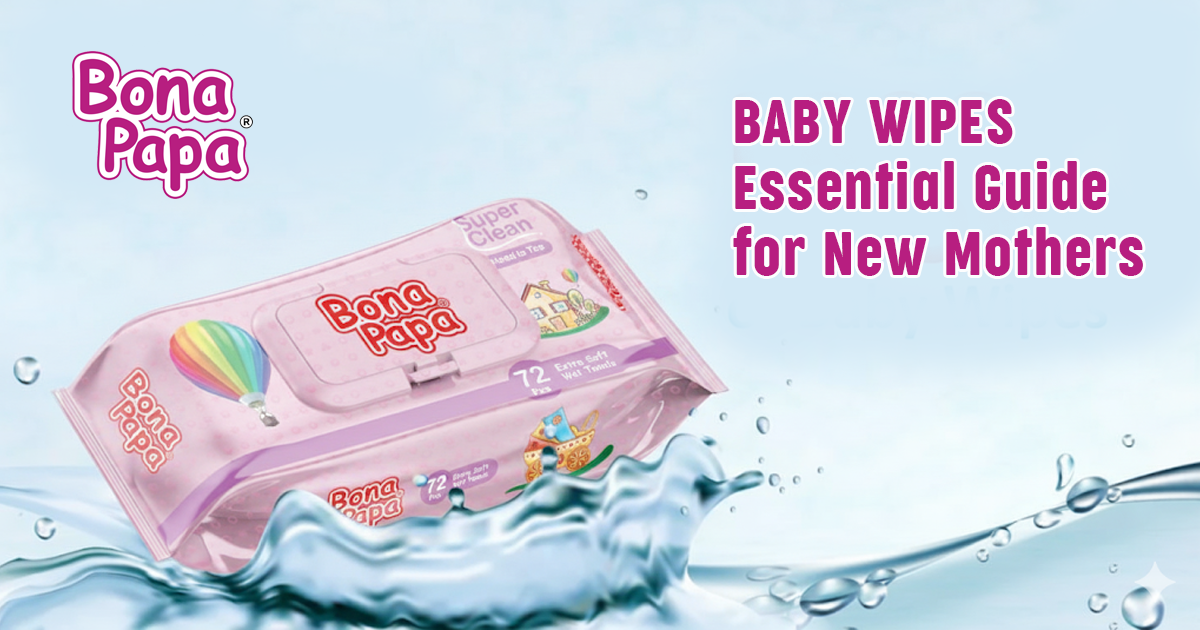
Baby Wipes | Essential Guide for New Mothers

Baby Wipes: Essential Guide for New Mothers

The arrival of your baby brings immense joy, but also a whirlwind of emotions—excitement, stress, and sometimes feeling overwhelmed. Among baby care products, baby wipes stand out as one of the most important items you'll use daily. Before putting on a diaper, your baby's bottom needs proper cleaning to maintain hygiene and prevent skin issues. But with so many options available, understanding the benefits, potential drawbacks, and how to choose the right wipes becomes crucial for your baby's wellbeing.

Why Baby Wipes Are Essential

Proper Cleaning for Delicate Skin

In a diaper, your baby's bottom continuously faces urine, feces, and resulting wetness. There are more bends and folds in the diaper area than other parts of the body, making thorough cleaning challenging—especially when babies tend to move around constantly and rarely stay still.

Baby wipes help ensure the appropriate level of cleanliness required to prevent infection risk. Since unhygienic skin results in irritation and rashes, and diapers often cause rashes in many babies, changing diapers regularly with proper cleaning becomes even more important.

Convenience and Portability

Baby wipes are small and easy to carry in diaper bags or pockets, making cleaning up messes quick and convenient when you're out and about. It's estimated that you'll need 8-10 diaper changes per day for your baby, and using baby wipes after every change is remarkably easy.

Unlike muslin cloth, which may be less expensive but hard to keep with you at all times, baby wipes come in compact form, making them simple to handle and carry wherever you go.

Effective Cleaning Power

Baby wipes efficiently clean dirty or soiled skin, removing messes like urine, feces, and food from the diaper area, hands, and face. They're specifically designed to be softer than sponges and washcloths, protecting your baby's sensitive and delicate skin.

Different materials with varying textures can harm your baby's skin through irritation and rash issues. Baby wipes are made for one-time use, avoiding any contaminant buildup that could occur with reusable materials that aren't properly washed or cleaned.


Benefits of Using Baby Wipes

Multipurpose Cleaning Solution

Beyond diaper changes, baby wipes serve multiple purposes. You can use them to clean your baby's face and hands, wipe up vomit, remove food messes, and even clean highchair trays, toys, and other surfaces. This versatility makes them indispensable for busy parents.

Water Conservation

In areas where water isn't readily available, baby wipes come in handy for cleaning your baby. Since cleansing after every diaper change is always required, baby wipes serve as the best alternative to water in situations where it's not present daily.

Gentle Formulations

Many baby wipes are fragrance-free, dye-free, and pH balanced to be skin-friendly. Some even contain calming ingredients like aloe vera extract, which soothes the skin and protects it from dryness and irritation, potentially helping prevent diaper rash.

Easy Disposal

Getting rid of baby wipes is very simple—just dump them in the dustbin along with the diaper. Wipes should be covered with cloth or a cover before disposal to avoid any smell from penetrating the room or bathroom.

Important Considerations and Drawbacks

Environmental Impact

Baby wipes are not biodegradable and contain plastic fibers that don't break down in sewage systems. When flushed, they can clog pipes and harm marine life. Never flush baby wipes—always dispose of them in the trash. Compostable wipes offer fewer disposal concerns but still shouldn't be flushed.

Chemical Ingredients

Many wipes contain preservatives, fragrances, and other chemicals that some babies may react to with sensitive skin reactions. Natural and fragrance-free options are better for babies with sensitive skin. Look for wipes free from harsh chemicals like alcohol, sulfates, parabens, and artificial fragrances.

Cost Considerations

Wipes can get expensive with regular use over time versus using just water and a washcloth. This represents an ongoing supply expense that adds up throughout your baby's diapering years.

Potential Skin Issues

Some experts warn that excessive wipe use can dry out your baby's delicate skin rather than allowing it to air dry naturally. This may cause irritation, redness, or rashes. You don't need to use baby wipes every time—allowing occasional natural air drying is better for your baby's skin than over-wiping.

Choosing the Right Baby Wipes

What to Look For

  • 99% water content: Water-based wipes are gentlest for newborns and sensitive skin
  • Dermatologically tested: Ensures safety for delicate baby skin
  • Free from harsh chemicals: Avoid alcohol, sulfates, parabens, and artificial fragrances
  • pH balanced: Maintains skin's natural protective barrier
  • Soothing ingredients: Aloe vera, calendula extract, and vitamin E provide extra skin benefits

Types of Wipes

  1. Basic wipes: Suitable for cleaning bottoms, hands, and feet
  2. Moisturizing wipes: Contain additional nourishing ingredients for frequent use
  3. Sensitive wipes: Formulated specifically for babies with sensitive skin, completely free of dyes and fragrances

Best Practices for Using Baby Wipes

  • Don't use wipes for every diaper change if it's just urine—modern disposable diapers effectively contain moisture
  • Always wipe from front to back to prevent infections
  • Store wipes properly in sealed containers to prevent drying out
  • Choose appropriate wipes based on your baby's skin sensitivity
  • Dispose of wipes in trash, never flush them
  • Watch for signs of irritation and switch products if needed

Conclusion

Baby wipes provide undeniable convenience for busy mothers, making diaper changes quick and hygienic anywhere. While they offer effective cleaning, portability, and multipurpose use, it's important to consider environmental impacts and potential skin sensitivities when choosing products.

By selecting natural, fragrance-free wipes with minimal ingredients and disposing of them properly, you can enjoy the benefits while reducing negative effects. Remember that you don't need to use wipes for every change—balance convenience with what's best for your baby's delicate skin.

Take action today: Evaluate your current baby wipes against the criteria discussed here. Are they gentle enough? Free from harmful chemicals? Making informed decisions about baby care products empowers you to provide the best for your little one.

Frequently Asked Questions

Q: Can adults use baby wipes?
Baby wipes can be used by people of all ages, though caution should be taken. They offer great help for removing makeup or dirt from faces, especially during travel, illness, or camping. However, long-term daily use can lead to more skin damage than benefits.

Q: What are the negative effects of baby wipes?
Negative effects can include skin irritation and absorption of chemicals through the skin. To avoid these issues, opt for chemical-free wipes with minimal ingredients.

Q: Should you use baby wipes every time you change a diaper?
No, you don't need to use wipes every time. Modern disposable diapers effectively contain urine, so wipes are mainly necessary for bowel movements or visible messes.

Q: Can you use baby wipes on your baby's face?
Yes, baby wipes are very soft and designed for sensitive skin. However, ensure you're using gentle, fragrance-free formulations suitable for facial use.

Q: Are baby wipes biodegradable?
Most conventional baby wipes are not biodegradable. Look for specifically labeled biodegradable or compostable op

We'd Love to Hear From You!

What's your experience with baby wipes? Have you found a brand that works perfectly for your baby's sensitive skin? Share your tips and recommendations in the comments below—your insights could help other mothers make better choices for their little ones!

Don't forget to share this article with expectant mothers and new parents in your circle. Together, we can help everyone make informed decisions about baby care.

Leave a Reply

Your email address will not be published. Required fields are marked *