
Blog
How to Care for Your Newborn Baby – Expert Parent Tips

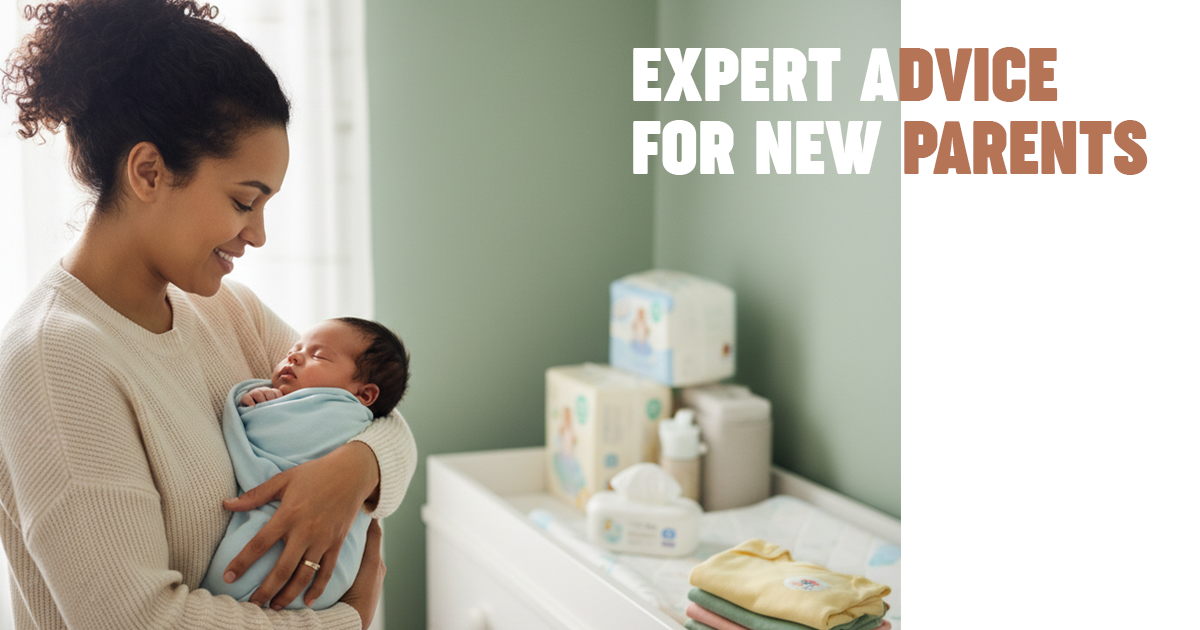
Becoming a parent transforms your world overnight. Between sleepless nights, endless diaper changes, and learning to interpret every cry, first-time parents often feel overwhelmed. This comprehensive guide offers expert advice from neonatologist pediatricians and trusted resources to help you navigate those crucial early months with confidence. From creating the perfect newborn checklist to mastering gentle parenting techniques for toddler tantrums, we'll cover everything you need to ensure your baby's health, comfort, and happiness.
Quick Takeaways
- Establish a strong relationship with your baby's health care provider from day one for personalized guidance
- Keep baby's skin clean and dry with frequent diaper changes and pH-balanced wipes to prevent diaper rash
- Choose super-absorbent disposable diapers that fit snugly against the tummy to prevent leakage
- Stock newborn essentials in multiple sizes, as babies outgrow clothes quickly in the first months
- Practice gentle parenting techniques like staying calm, validating emotions, and offering comfort during difficult moments
- Apply thick zinc oxide cream at every diaper change as part of your diapering regimen for healthy baby skin
- Trust your instincts while remaining open to expert advice and support from trusted resources
Building Your Newborn Checklist: Essential Items Every First-Time Parent Needs
Creating a comprehensive newborn checklist prevents last-minute panic and ensures you're prepared for baby's arrival. Start with bonding essentials like soft blankets for skin-to-skin contact, which helps calm babies and regulate their heartbeat. Your checklist should include feeding supplies (bottles, breast pump if needed, burp cloths), sleeping essentials (bassinet, fitted sheets, sleep sacks), and bathing items (gentle soap, soft towels, baby tub).
Don't forget the diapering station essentials: super-absorbent disposable diapers in newborn and size 1, wipes designed to keep baby's skin pH balanced, diaper cream with zinc oxide, and a changing pad. Change diapers often and remove wet or dirty diapers as soon as possible to maintain healthy skin. Include a thermometer, nail clippers, and basic first-aid supplies. Remember, you don't need everything at once—babies grow and their needs evolve rapidly.
What Size Clothes to Buy for a Newborn Baby: A Practical Sizing Guide
Understanding what size clothes to buy for a newborn baby saves money and reduces stress. Most newborns wear size "Newborn" (up to 8 lbs) or "0-3 months" (8-12 lbs), but many babies skip newborn sizes entirely. Purchase a few newborn outfits but invest more in 0-3 month sizes. Babies typically need 7-10 onesies, 5-7 sleepers, 2-3 going-home outfits, and several pairs of socks.
Consider seasonal needs—lightweight cotton for summer babies, warmer layers for winter arrivals. Focus on practical features: easy-access snaps for diaper changes, envelope necklines that stretch, and soft, breathable fabrics. Buy a mix of sizes (0-3, 3-6, 6-9 months) since babies grow at different rates. Many parents find that babies wear 3-6 month sizes by 6-8 weeks. Skip expensive items babies will quickly outgrow and accept hand-me-downs when offered.
Establishing a Relationship With Your Baby's Health Care Provider
The importance of relationship with baby's health care provider cannot be overstated—this partnership guides your parenting journey. Child specialists work together with you to help develop your own parenting style. Choose a pediatrician before birth, schedule your first visit within 48-72 hours after hospital discharge, and maintain regular well-baby checkups according to the recommended schedule.
Expert advice from neonatologist pediatrician sources emphasizes open communication. Prepare questions before appointments, keep a health journal tracking feeding, sleeping, and diaper patterns, and don't hesitate to call with concerns. Johns Hopkins sleep experts and other specialists offer strategies specific to common challenges like getting rest as a new parent. Your pediatrician provides evidence-based guidance tailored to your baby's unique needs, developmental milestones, and any health concerns that arise.
Mastering the Art of Diapering: Tips for Keeping Baby Skin Clean and Dry
Learning tips for keeping baby skin clean and dry forms the foundation of infant care. Keep your baby's skin as dry and clean as possible and change diapers often so that poop and pee don't irritate the skin. Check diapers every 2-3 hours (more frequently for newborns) and change immediately after bowel movements. Pat the area dry—never rub—before applying a fresh diaper.
A proper diapering regimen for healthy baby skin includes using lukewarm water and gentle wipes, allowing the area to air dry briefly, and applying barrier cream preventatively. The best treatment for diaper rash is keeping your baby's skin as clean and dry as possible, with frequent diaper changes being essential prevention. Choose wipes designed to keep baby's skin pH balanced to maintain the natural protective barrier. Always wipe front to back for girls, clean all skin folds thoroughly, and ensure complete dryness before fastening the new diaper.
How to Prevent Diaper Rash in Babies: Essential Strategies
Understanding how to prevent diaper rash in babies saves your little one unnecessary discomfort. Despite your best efforts with keeping babies clean and dry with frequent diaper changes, chances are your baby will end up with diaper rash at least once. Prevention strategies include changing diapers immediately when soiled, using fragrance-free products, and avoiding overly tight diapers that create friction.
Apply zinc oxide diaper cream, especially if skin stays red between changes, layering it on like frosting a cake with no need to remove it completely at each change. Give your baby regular diaper-free time on waterproof pads to let skin breathe. Avoid baby powder, which can irritate lungs and skin. If switching diaper brands or introducing new foods, monitor for sensitivity reactions. Most diaper rash resolves within 2-3 days with proper care, but persistent redness warrants a pediatrician visit.
Dealing With Diaper Rash Discomfort: When and How to Act
Knowing how to deal with diaper rash discomfort helps you respond effectively when prevention isn't enough. Mild diaper rash appears as pink or red patches on the bottom, genitals, or thigh folds. Giving your baby "naked time" out of diapers helps speed the healing process by allowing babies to stay dry and avoid friction so their skin can breathe. Use disposable waterproof pads during naked time for easy cleanup.
For moderate rash, increase diaper-free periods, apply thick zinc oxide cream at every change, and use only water or fragrance-free wipes. If rash doesn't go away with home treatment, your doctor might suggest a mild hydrocortisone cream (0.5-1%) twice daily for 3-5 days. Severe rash with blisters, open sores, or fever requires immediate medical attention, as it may indicate infection. Never use adult skin products, essential oils, or home remedies without pediatric approval.
Choosing the Right Diapers: Super-Absorbent Options and Proper Fit
Selecting super-absorbent disposable diapers benefits your baby's comfort and prevents leaks. Modern diapers feature multi-layer absorption technology, wetness indicators, and stretchy sides for movement. Look for diapers with breathable outer layers that reduce moisture buildup while maintaining absorbency. Premium brands often include lotion layers and pH-balancing materials, though some babies react to these additives.
Understanding how to ensure diaper fits snug against tummy prevents the dreaded blowout. The diaper should fit snugly at the waist without leaving red marks—you should fit two fingers comfortably under the waistband. Diaper design to prevent against leakage includes proper leg cuff positioning (pulled out, not tucked in) and ensuring the back rises higher than the front. Size up if you notice frequent leaks, red marks, or your baby seems uncomfortable. Each brand fits differently, so don't hesitate to try various options until finding your perfect match.
Gentle Parenting Techniques for Toddler Tantrums: Building Emotional Intelligence
Implementing gentle parenting techniques for toddler tantrums creates a foundation of trust and emotional regulation. Young children tantrum because the area of their brain responsible for emotion regulation is very immature—it's not a sign of bad parenting. When a tantrum begins, remain calm, lower yourself to your child's level, and make gentle eye contact without forcing interaction.
Sometimes all a child needs during a tantrum is comfort and reassurance—offer a hug, hold their hand, or sit quietly with them until they start to calm down. Validate their feelings with statements like "I see you're frustrated" while maintaining boundaries. Most tantrums happen when kids are hungry or tired, so you can often avoid meltdowns with preemptive feeding, napping, firm bedtimes, and peaceful quiet time without media stimulation. After the storm passes, help your child name their emotions and discuss alternative responses for next time.
Finding Trusted Resources for New Parents: Where to Turn for Support
Identifying trusted resources for new parents ensures you receive accurate, evidence-based information. Government health agencies like the CDC and NHS provide free, scientifically-backed parenting guidance. The CDC offers positive parenting tips emphasizing patient feeding, trying new tastes without force, and keeping babies active. Medical institutions including Mayo Clinic, Johns Hopkins, and Cleveland Clinic publish comprehensive articles on infant health and development.
Organizations like the American Academy of Pediatrics (AAP), KidsHealth, and UNICEF offer age-specific advice and developmental milestones. Join local parent groups, attend hospital-sponsored new parent classes, and don't underestimate the value of experienced parent mentors. Online forums can provide community support but always verify medical advice with your pediatrician. Build your support network before you desperately need it—exhausted parents make better decisions with a trusted team backing them up.
Creating a Sleep Environment: Rest for Baby and Parents
Babies should sleep on their backs with their head placed in alternating directions in the crib every night to support safe sleep practices. Create a consistent bedtime routine starting around 6-8 weeks: dim lights, gentle bath, quiet feeding, and placing baby down drowsy but awake. Room temperature should stay between 68-72°F with minimal bedding—use a sleep sack instead of blankets.
A soothing sleep environment includes dimming lights, playing white noise, and keeping the room at a comfortable temperature. White noise machines mask household sounds and recreate womb-like conditions. Blackout curtains help establish day-night differences. Expect frequent night wakings in early months—newborns need 14-17 hours of sleep in 24 hours but in short stretches. As your pediatrician about sleep training approaches that align with your parenting philosophy when baby reaches appropriate developmental milestones.
Self-Care for New Parents: You Can't Pour From an Empty Cup
First-time parents are surprised to find that one small, helpless person can make them feel joyful and competent one moment, and small and helpless themselves the next. Prioritizing self-care isn't selfish—it's essential for your baby's wellbeing. Accept help with household tasks, sleep when the baby sleeps (even if chores wait), and maintain basic nutrition even when cooking feels impossible.
Schedule time for yourself, whether it's a 10-minute shower, a walk around the block, or calling a friend. Communicate openly with your partner about needs and divide nighttime duties fairly. Watch for signs of postpartum depression or anxiety: persistent sadness, difficulty bonding, scary thoughts, or inability to enjoy anything. These conditions are common, treatable, and nothing to be ashamed of. Your mental health directly impacts your parenting capacity, so seeking help demonstrates strength, not weakness.
Conclusion
Navigating parenthood begins with preparation, patience, and access to trusted resources for new parents. From building a thorough newborn checklist and understanding what size clothes to buy, to mastering diapering techniques that keep baby's skin clean and dry, every skill builds your confidence. Remember that choosing super-absorbent disposable diapers with proper fit, using pH-balanced wipes, and maintaining a preventative diapering regimen for healthy baby skin dramatically reduces discomfort.
Building a strong relationship with baby's health care provider and seeking expert advice from neonatologist pediatrician sources ensures you have professional guidance when questions arise. Whether implementing gentle parenting techniques for toddler tantrums or learning how to prevent diaper rash in babies, remember that every parent learns through experience. Trust your instincts, be patient with yourself, and know that you're doing better than you think. Your baby doesn't need perfection—they need your love, attention, and consistent care.
Frequently Asked Questions
Q: When should I be concerned about diaper rash and call my pediatrician?
Contact your pediatrician if diaper rash doesn't improve after 2-3 days of home treatment, appears to be getting worse, includes blisters or open sores, or accompanies a fever. Also seek medical advice if the rash spreads beyond the diaper area or if your baby seems unusually fussy or uncomfortable. Some diaper rash discomfort indicates infection requiring prescription treatment. Prevention through frequent changes and barrier creams works best, but persistent issues need professional evaluation to rule out fungal infections or allergies.
Q: How many diapers should I stock before my baby arrives?
Most newborns use 8-12 diapers daily, so stock 1-2 boxes of newborn size (though many babies skip this size) and 3-4 boxes of size 1. Purchase super-absorbent disposable diapers from different brands to test which works best for your baby. Don't over-purchase any single size since growth happens rapidly. Keep wipes designed to keep baby's skin pH balanced on hand—you'll use far more wipes than expected. Many parents find that buying diapers weekly allows flexibility as baby grows and preferences emerge.
Q: What are the most important items for a first-time parent's newborn checklist?
Essential newborn checklist items include: safe sleep space (bassinet/crib with firm mattress), car seat, diapers and wipes, basic clothing in multiple sizes, feeding supplies (bottles or nursing accessories), and baby thermometer. Don't forget items for diapering regimen for healthy baby skin: zinc oxide cream, changing pad, and diaper disposal system. Many new parents over-purchase—focus on necessities and add items as needs become clear. Accept hand-me-downs for items babies quickly outgrow.
Q: How do I know if my baby's diaper fits properly?
A properly fitting diaper sits snugly around the waist (two-finger test) without leaving red marks, with leg cuffs pulled out and positioned in the creases where legs meet torso. The back should rise slightly higher than the front, and the diaper should cover the entire bottom. Diaper design to prevent against leakage works only with correct sizing—frequent leaks or red marks indicate it's time to size up. Ensuring diaper fits snug against tummy prevents gaps that cause leaks while allowing comfortable movement.
Q: What gentle parenting strategies work best during toddler meltdowns?
Effective gentle parenting techniques for toddler tantrums include staying calm yourself, getting to your child's level, and offering comfort without forcing it. Validate their emotions with phrases like "I see you're upset" while maintaining necessary boundaries. Remove your child from stimulation to a quiet space, and remember that tantrums reflect brain development, not your parenting. Prevent many tantrums by addressing hunger and fatigue proactively, maintaining consistent routines, and teaching emotion vocabulary during calm moments. Your calm presence helps children learn self-regulation over time.
We'd Love to Hear From You!
Thank you for reading our comprehensive guide to navigating those precious (and challenging) early parenting days. Every parent's journey is unique, and your experiences matter.
What's the one piece of advice you wish someone had told you before becoming a parent? Share your wisdom in the comments below—your insight might be exactly what another parent needs to hear today.
If you found this guide helpful, please share it with expectant parents or those navigating the newborn phase. Together, we can build a supportive community where new parents feel confident and connected.
Follow us for more evidence-based parenting advice, and don't forget to bookmark this page for quick reference during those 3 AM questions!